Case Study: 6,500 Hexagonal Hot-Dip Galvanized Power Steel Poles Replace Outdated Infrastructure in Remote Areas of the Philippines
Project Background
The Philippines, an archipelago with over 7,000 islands, faces significant challenges in its power infrastructure. In remote areas, the power supply is often unstable, and many of the electrical poles and systems are outdated, unable to withstand frequent natural disasters such as typhoons and heavy rains. As a result, power lines are frequently damaged, leading to power outages. Moreover, many areas still rely on aging power poles, which have become structurally compromised and are in urgent need of replacement.
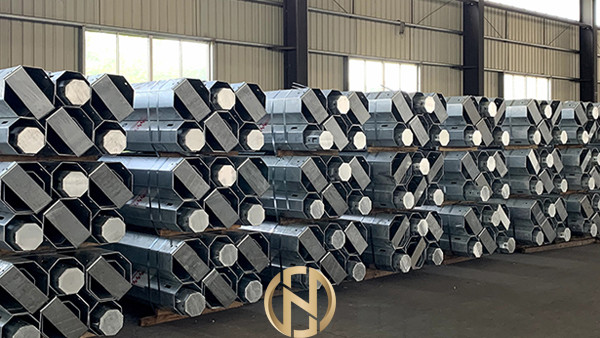
In response to this issue, the Philippine government launched the "Power Infrastructure Upgrade and Replacement" initiative. The goal is to replace outdated poles with 40FT, 45FT, and 50FT hexagonal hot-dip galvanized steel power poles to enhance the reliability and longevity of the electrical grid. The project aims to replace 6,500 poles across various regions of the Philippines, addressing safety concerns and providing a more resilient power infrastructure.
Project Goals
Upgrade Power Infrastructure: Replace outdated power poles with modern, durable, and weather-resistant poles to improve the safety and stability of the power system.
Increase System Stability: Use hot-dip galvanized poles to withstand extreme weather conditions and improve the resilience of the power lines.
Environmentally Friendly & Sustainable: Choose materials with long life spans and low maintenance needs to reduce environmental impact and long-term costs.
Solution Overview
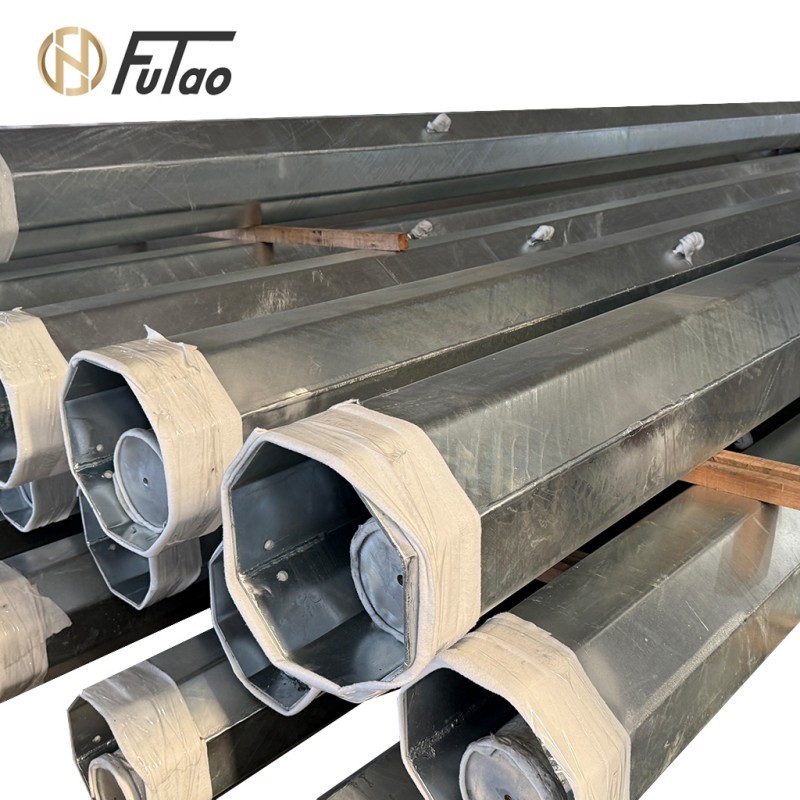
The 6,500-pole replacement project involves using 40FT, 45FT, and 50FT hexagonal hot-dip galvanized steel power poles. These three specifications of poles are ideal for meeting the different demands of various regions. The main design advantages include:
High Durability & Corrosion Resistance: The hot-dip galvanized coating provides excellent corrosion resistance, making these poles ideal for coastal and humid areas of the Philippines. Compared to traditional poles, galvanized steel poles offer a significantly longer lifespan and reduce the need for frequent replacements.
Hexagonal Design & Wind Resistance: The hexagonal design offers superior stability and wind resistance compared to round or square poles. In regions prone to typhoons, the hexagonal structure helps disperse wind pressure, reducing the risk of pole damage.
Modular Flexibility: The three pole heights (40FT, 45FT, and 50FT) can be chosen based on the specific geographical and environmental conditions, ensuring optimal installation and maximizing land and space utilization.
Eco-Friendly & Cost-Effective: Hot-dip galvanized poles require less maintenance over time, reducing resource consumption and environmental impact, while extending the lifespan of the infrastructure, which ultimately saves costs in the long run.
Project Implementation
Comprehensive Survey & Needs Assessment:
Before the project began, the power company and engineering team conducted a thorough survey of remote regions in the Philippines. They assessed the condition of existing power poles, identified areas in urgent need of replacement, and designed a tailored solution based on local geography, wind speeds, and weather conditions.
Pole Manufacturing & Transportation:
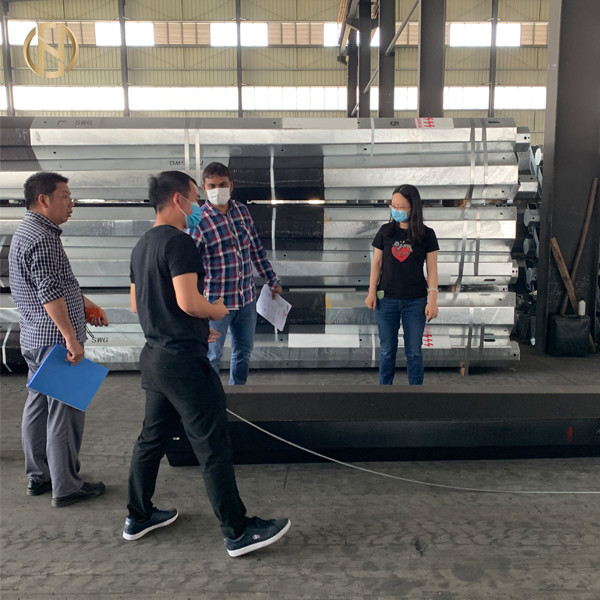
The poles were custom-manufactured based on the project’s specifications. All poles underwent rigorous quality checks to meet international power standards.
After production, the poles were shipped by sea to the Philippines and then transported to installation sites via local roads.
Removal & Installation:
Old, outdated poles were safely removed. To minimize disruption to the local power supply, the installation was carried out in phases, ensuring that one section was replaced before moving on to the next.
During installation, advanced lifting and positioning technologies were employed to ensure the poles' stability and precise placement. After the poles were erected, the power lines were connected, and further checks were made for any issues.
Power System Testing & Commissioning:
After the poles were installed, the power company performed extensive testing and commissioning to ensure that the new system operated smoothly under different load and weather conditions, guaranteeing stable power transmission to remote areas.
Post-Installation Maintenance & Support:
After project completion, the power company committed to regular inspections and maintenance to ensure the new poles remain in good condition. Emergency repair services were also provided to quickly address any issues that arise.
Project Impact & Results
Modernized Power System:
The replacement of 6,500 poles with hexagonal hot-dip galvanized steel poles significantly improved the reliability of the power transmission system. The new infrastructure reduced fault rates and improved overall system performance.
Enhanced Disaster Resilience:
The new poles’ superior wind resistance and corrosion resistance made the power system far more resilient to typhoons and heavy rainfall. For instance, during Typhoon "Karman" in 2024, most of the newly installed poles remained intact, and power supply disruptions were minimal.
Social & Economic Benefits:
The introduction of stable power has had a positive impact on the local economy. Businesses and industries saw improved efficiency, and public institutions such as schools and hospitals were able to maintain operations without power interruptions.
The improved power supply also reduced the impact of power outages on residents’ daily lives, improving their overall quality of life.
Sustainability:
The use of galvanized steel poles, which require less frequent maintenance, supports environmental sustainability by reducing the need for resource-intensive repairs and replacements. The project also reduced energy waste and contributed to a greener energy infrastructure.
Conclusion
The "Power Infrastructure Upgrade and Replacement" project, featuring the installation of 6,500 40FT, 45FT, and 50FT hexagonal hot-dip galvanized steel power poles, has been a resounding success in addressing the outdated power infrastructure issues in remote regions of the Philippines. This project not only improved the reliability and disaster resilience of the power grid but also contributed to the country's sustainable development and environmental goals. The initiative serves as a model for other developing countries looking to upgrade their power infrastructure.